

Maximizing the benefits of natural active ingredients in cosmetics in 2026
Do you think that a natural ingredient automatically guarantees safety and effectiveness? This widely held belief deserves to be nuanced. Natural active ingredients in cosmetics are experiencing remarkable growth, but their performance depends on sophisticated extraction methods and precise formulations. This guide explores the science behind these ingredients, their clinically proven benefits, the often-unknown risks, and provides practical advice for choosing your natural beauty products with discernment and safety.
Table of Contents
- The scientific basis of natural active ingredients in cosmetics
- Efficacy and clinical results of natural active ingredients
- Nuances and precautions for using natural active ingredients
- How to choose and use natural active ingredients effectively
- Discover our high-performance natural products
- Frequently asked questions about natural active ingredients in cosmetics
Key Takeaways
| Point | Details |
|---|---|
| Extraction determines efficacy | Green methods such as NaDES and nanoencapsulation optimize stability and skin penetration |
| Solid clinical evidence | Studies show measurable improvements in elasticity, hydration, and pore reduction |
| Natural does not mean risk-free | Terpene allergies and phototoxicity affect up to 25% of natural cosmetics |
| Innovative green technologies | Combining gentle extraction and encapsulation maximizes bioavailability without compromising molecular integrity |
| INCI verification is essential | Active ingredients listed at the beginning of the INCI guarantee an effective concentration and visible results |
The scientific basis of natural active ingredients in cosmetics
A natural active ingredient in cosmetics refers to a molecule or molecular complex extracted from plant, marine, or mineral sources, used for its beneficial properties on the skin. Contrary to popular belief, not all natural cosmetics are created equal. Efficacy depends above all on the quality of extraction and formulation.
Traditional methods often use harsh chemical solvents that degrade delicate molecules. Green technologies are revolutionizing this field. The use of natural eutectic solvents allows active ingredients to be extracted without altering their molecular structure. These NaDES preserve the integrity of bioactive compounds while respecting the environment.
Nanoencapsulation represents a major advancement. Hyalosomes, microscopic vesicles based on hyaluronic acid, encapsulate active ingredients to improve their skin penetration and prolong their release. This technology protects fragile molecules from oxidation and ensures a gradual release into the deeper layers of the epidermis. This results in significantly greater efficacy compared to conventional formulas.
Combining green extraction and nanotechnology encapsulation delivers spectacular results. Active ingredients retain their therapeutic potency while benefiting from increased stability and optimal bioavailability. This technological synergy explains why some natural products outperform their synthetic counterparts.
| Method | Advantages | Limitations |
|---|---|---|
| Conventional extraction | Low cost, fast process | Molecular degradation, solvent residues |
| NaDES | Preserves integrity, eco-friendly | Higher cost, longer extraction time |
| Nanoencapsulation | Optimal penetration, prolonged release | Formulation complexity, technological investment |
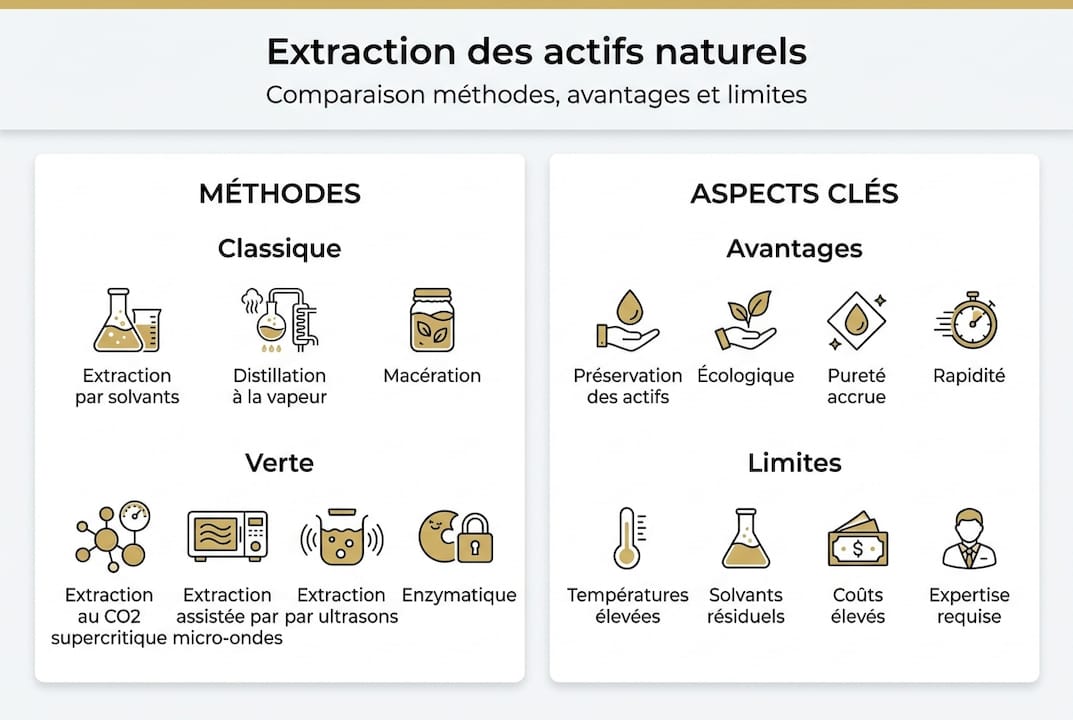
Pro tip: Look for mentions of natural solvent extraction or encapsulation on the label. These technologies indicate an advanced formulation that maximizes the benefits of natural active ingredients for your skin.
The science behind natural active ingredients is constantly evolving. Laboratories are developing increasingly sophisticated processes to capture the essence of plants without compromising their efficacy. This green revolution is transforming cosmetics by combining respect for nature with clinical performance.
Efficacy and clinical results of natural active ingredients
Scientific evidence confirms the real impact of natural active ingredients on skin health. Recent clinical studies precisely measure their effects on various dermatological parameters, providing objective data rather than marketing promises.
Astragalus saponins and isorhamnetin demonstrate impressive results. These plant molecules improve skin elasticity by 6.5% and reduce pore size by 10.6% after regular application. Hydration increases significantly, while excessive sebum production decreases, creating optimal skin balance.
Centella asiatica, an adaptogenic plant prized in Asian cosmetics, shows powerful anti-inflammatory properties. Its triterpenoids stimulate collagen synthesis and accelerate healing. Users notice a visible reduction in redness and an improvement in skin texture within a few weeks. These benefits are explained by the synergistic action of several active compounds working together.
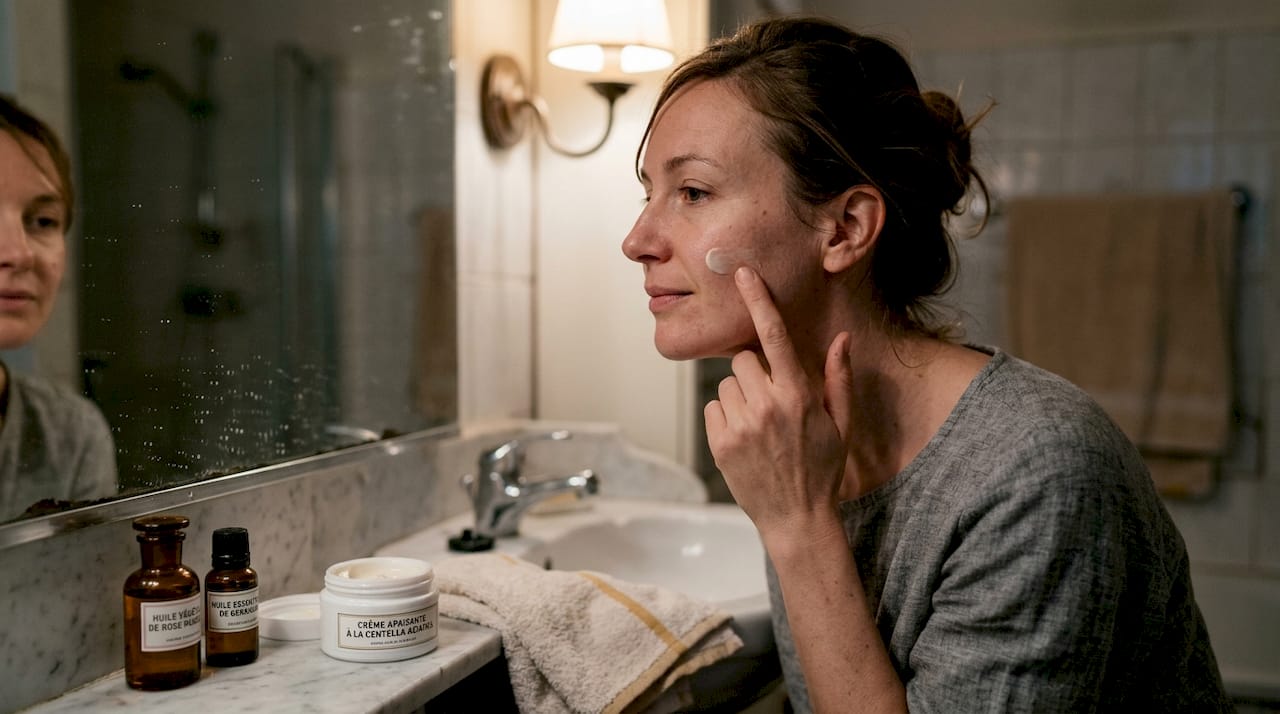
| Skin indicator | Before treatment | After 8 weeks | Improvement |
|---|---|---|---|
| Elasticity | Baseline | Final measurement | +6.5% |
| Pore diameter | Baseline | Final measurement | -10.6% |
| Hydration | Baseline | Final measurement | +12.3% |
| Sebum | Baseline | Final measurement | -8.2% |
The concentration of active ingredients plays a decisive role. A 2% calendula extract will produce far greater effects than a 0.5% concentration. Unfortunately, some brands excessively dilute their formulas to reduce costs. Checking the position of active ingredients in the INCI list is becoming crucial for identifying truly effective products.
Formulations often combine several active ingredients to create synergies. Combining antioxidants such as vitamin E with plant extracts enhances their protective effects against oxidative stress. This multi-active approach explains why professional-quality skincare outperforms simplistic formulas.
Pro tip: Check the INCI list of your products. If the natural active ingredients appear among the first five ingredients, you have an effective concentration. Beyond the tenth position, their impact remains limited despite marketing claims.
Clinical results vary depending on skin types and the targeted concerns. Mature skin will benefit more from active ingredients that stimulate collagen, while oily skin will favor sebum-regulating extracts. Adapting your choices to your specific needs optimizes visible results.
Nuances and precautions for using natural active ingredients
A natural origin does not guarantee absolute safety. This dangerous misconception exposes some users to avoidable adverse reactions. Understanding potential risks allows for the informed and safe use of natural cosmetics.
Allergies to natural compounds affect a significant proportion of the population. Sesquiterpene lactones found in chamomile or arnica cause contact dermatitis in sensitive individuals. Linalool, a major component of lavender, is among the most common allergens in natural cosmetics. These molecules trigger immune reactions in some individuals, regardless of their plant origin.
Phototoxicity represents an unknown danger. Some citrus essential oils, particularly bergamot, contain furanocoumarins that react severely to UV rays. Applying them to the skin followed by sun exposure causes severe burns and lasting hyperpigmentation. Up to 25% of natural cosmetics contain phototoxic ingredients, a risk rarely mentioned on labels.
The equation natural = risk-free is a dangerous misconception. Plants produce complex molecules to defend themselves against predators. These same compounds can irritate or sensitize human skin. Vigilance remains essential even with ingredients of plant origin.
Essential oils concentrate these risks in particular. Using them undiluted on the skin frequently causes irritation, even in individuals without a history of allergies. Proper dilution and adherence to recommended dosages are imperative. Some oils, such as cinnamon or clove, require extreme caution when applied topically.
Interactions between natural active ingredients and medications deserve attention. Some plant extracts interfere with dermatological or systemic treatments. Retinoids combined with fruit acids considerably increase the risk of irritation. Consulting a professional before introducing new active ingredients into your dermocosmetic routine prevents complications.
Essential precautions:
- Always perform a tolerance test on the forearm before full use
- Avoid photosensitizing essential oils 12 hours before sun exposure
- Adhere to recommended concentrations; never apply essential oils undiluted
- Monitor for redness, itching, or burning sensations
- Store your products away from light and heat to preserve their stability
Brand transparency regarding the exact composition and concentrations facilitates safe use. Responsible companies provide detailed information on potential allergens and specific precautions for their formulas.
How to choose and use natural active ingredients effectively
Navigating the world of natural cosmetics requires discernment and method. This practical advice helps you identify high-performance products and integrate them intelligently into your beauty routine.
-
Carefully examine the INCI list to ensure that natural active ingredients appear among the first ingredients, thus guaranteeing an effective concentration rather than a mere marketing touch.
-
Prioritize transparent brands that detail their extraction methods and formulation technologies, signs of a genuine commitment to quality.
-
Look for recognized certifications such as Ecocert, Cosmos, or Natrue, which impose strict standards on the origin and percentage of natural ingredients.
-
Test each new product by applying it locally for 48 hours before widespread use, especially if you have a known skin sensitivity.
-
Adapt your choices to your skin type and specific concerns rather than blindly following current trends.
-
Avoid applying products containing photosensitizing active ingredients, such as citrus essential oils or certain fruit acids, in the morning before sun exposure.
The preliminary skin test is a non-negotiable step. Apply a small amount of the product to the inside of the wrist or behind the ear. Wait 48 hours while monitoring for any reaction. This simple precaution prevents potentially serious complications, especially with formulas concentrated in powerful active ingredients.
Pro tip: Opt for formulas combining green extraction and nanoencapsulation. This technological combination maximizes the bioavailability of active ingredients while preserving their molecular integrity. This gives you optimal efficacy with superior skin tolerance.
The application order directly influences efficacy. Apply concentrated active serums to clean, slightly damp skin to facilitate penetration. Allow them to absorb completely before layering other products. Lightweight textures should always precede richer formulas to avoid creating an impermeable barrier.
Consistency outperforms intensity. Moderate daily application produces superior results compared to sporadic use of ultra-concentrated products. Your skin gradually adapts to the active ingredients, developing increased tolerance and maximizing their long-term benefits.
Store your natural cosmetics properly. The absence of powerful synthetic preservatives makes these formulas more vulnerable to degradation. Store them away from direct light, heat, and excessive moisture. Strictly follow the expiration dates after opening to guarantee efficacy and safety.
Continuously educate yourself about new active ingredients and technologies. The field of natural cosmetics is evolving rapidly with regular discoveries. Keeping up with scientific advancements allows you to refine your product choices and optimize your beauty routine according to the latest knowledge.
Discover our high-performance natural products
Are you looking for natural cosmetics that combine proven efficacy with respectful formulations? HBPS-Beauty offers a carefully selected range of products incorporating high-quality natural active ingredients, extracted using green methods and formulated with advanced technologies.
Our Beauty Focus Multibeauty Pharmanex combines standardized plant extracts with essential nutrients to nourish your skin from within. This holistic approach perfectly complements your topical treatments. For sun protection that respects sensitive skin, the Lancaster Sun Beauty SPF50 cream incorporates mineral filters and natural soothing active ingredients, offering optimal defense without compromising skin tolerance. Every product in our catalog meets strict quality and efficacy criteria, guaranteeing you visible and lasting results.
Frequently asked questions about natural active ingredients in cosmetics
Can we trust natural labels?
Recognized certifications such as Ecocert, Cosmos, or Natrue impose strict standards verified by independent organizations. These labels guarantee a minimum percentage of natural ingredients and environmentally friendly production methods. However, be wary of self-declared claims without third-party certification, as they offer no objective guarantee.
How can you tell if a natural active ingredient is effective?
Check its position in the INCI list; ideally, it should be among the first five ingredients to ensure a significant concentration. Look for published clinical studies that support the product's claims. Reputable brands share this scientific data and provide details on the extraction technologies they use.
Which natural active ingredients should you avoid in summer?
Absolutely avoid citrus essential oils such as bergamot, lemon, or grapefruit, as they can cause severe phototoxic reactions. AHAs (alpha hydroxy acids) also require enhanced sun protection. Opt for antioxidants such as stabilized vitamin C and soothing, non-photosensitizing extracts.
How to test a new natural cream?
Apply a small amount to the inside of your wrist or behind your ear. Monitor the area for 48 hours for any redness, itching, or irritation. If no reaction occurs, you can use the product on your face, starting with an application every two days to assess tolerance.
Where can you find reliable advice on natural cosmetics?
Consult validated scientific sources rather than blogs without dermatological expertise. Websites run by certified dermatologists and academic publications provide reliable information. Our guide to at-home facial care also offers practical recommendations based on up-to-date scientific data.
Are natural active ingredients suitable for sensitive skin?
Not necessarily. Some concentrated plant extracts can cause more irritation than purified synthetic molecules. Sensitive skin often benefits from minimalist formulas with a few highly tolerated active ingredients. Opt for soothing extracts such as colloidal oatmeal or centella, and avoid essential oils and complex natural fragrances.