

4 situations where pore vacuums damage the skin and how to avoid them
Blackhead vacuums can rid the skin of superficial comedones that have already been softened, but using them at home is not trivial. Excessively strong suction, poorly prepped skin, or incorrect settings are enough to cause bruising, micro-tears, or broken capillaries. The right approach: use the lowest setting, start with cleansed and hydrated skin, and monitor for any redness or marks in the days that follow.
In short:
- At-home blackhead vacuums can help with already loosened comedones, but their non-adjustable power increases the risk of micro-tears.
- Suction that is too strong or poorly adjusted can cause bruising, broken capillaries, hyperpigmentation, or worsened inflammation.
- Sensitive skin types prone to rosacea, inflammatory acne, or eczema should avoid these devices to prevent aggravating their condition.
- Skin preparation, performing a patch test, and using low settings are essential to limit irritation and trauma.
- Gentler alternatives such as BHA or AHA treatments, or professional manual extraction in a salon, often provide safer and more effective results.
Table of Contents
- How a pore vacuum works, and why pro devices are in a different league
- Bruising, broken capillaries, spots: what suction can really cause
- Who should avoid pore vacuums, and which signs should be a warning
- How to use a pore vacuum without damaging your skin
- Gentler alternatives for blackheads
- Why the viral trend deserves to be tempered with a bit of common sense
- Choosing the right at-home skincare device at Hbps-beauty
- Sources
How a pore vacuum works, and why pro devices are in a different league
The principle is simple: a plastic or metal tip creates a vacuum that sucks out oxidized sebum, dead skin cells, and residue lodged in the pore. There is no magic to it; it is pure mechanics. The problem is that most models sold to the general public apply fixed suction, without pressure sensors or any way to see what is happening under the nozzle.
A professional performing an extraction can see and feel what they are doing; the consumer device, however, sucks blindly. It is precisely to compensate for this limitation that professional office protocols like HydraFacial combine several steps rather than relying on isolated suction:
- Gentle cleansing and exfoliation before any suction
- Calibrated suction with visual feedback for the practitioner
- Application of antioxidants or hyaluronic acid immediately after to calm the skin
According to analysis from the University of Utah, home devices can help with comedones that are already "ready to come out," but their non-adjustable power makes them riskier than approved medical equipment.
Bruising, broken capillaries, spots: what suction can really cause
The list of documented side effects is not unusual, but it deserves to be taken seriously before you start using the device all over your face.
- Bruising and micro-tears: overly intense or prolonged suction on the same area weakens superficial tissues.
- Worsened inflammation: on already irritated or acne-prone skin, suction can spread bacteria and cause breakouts to spread.
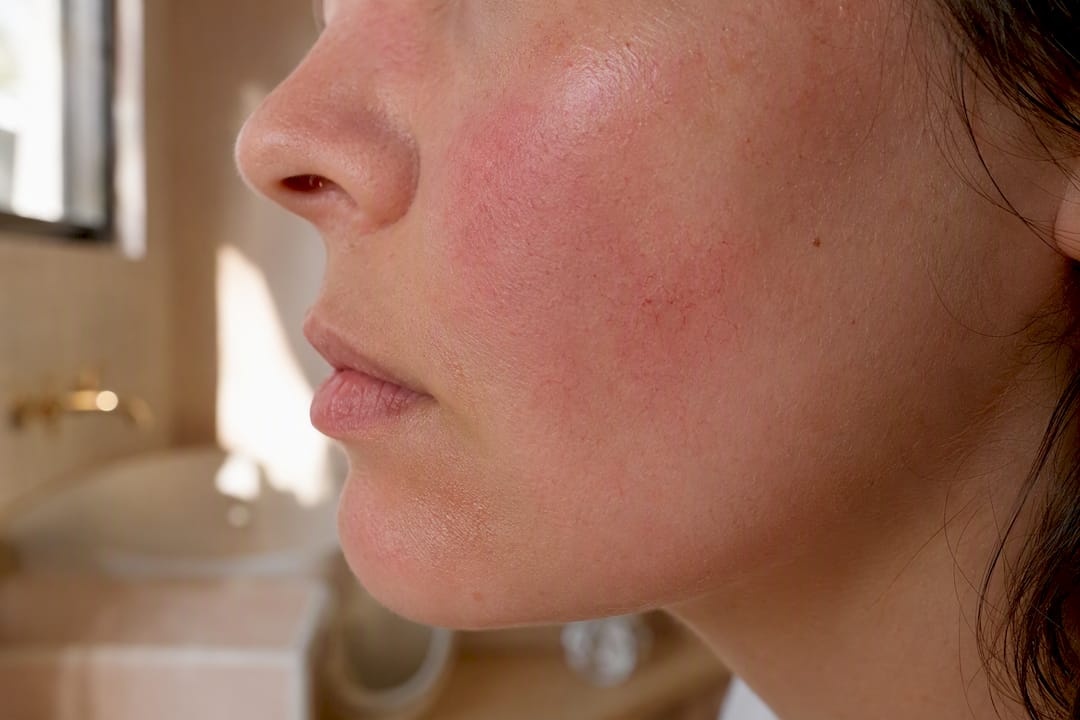
- Telangiectasias: the rupture of small blood vessels leaves red or purplish marks, sometimes long-lasting, that require vascular laser treatment to disappear.
- Post-inflammatory hyperpigmentation: on medium to dark skin tones, the slightest irritation can leave a brown spot that takes months to fade.
Dermatologists and estheticians quoted by POPSUGAR remind us that intense and repeated suction is the main factor behind these micro-traumas, far more than the duration of a single session. Testimonials gathered by Refinery29 even mention cases of bleeding and significant bruising after overly heavy-handed use.
Pro tip: if your skin is still red thirty minutes after the session, it is a sign that the setting was too high for you. Next time, go down a level, even if it feels almost too gentle.
Who should avoid pore vacuums, and which signs should be a warning
Some skin types simply have nothing to gain by testing this type of device, and a lot to lose.
- Rosacea or visible capillaries: suction accentuates vascular dilation in already fragile skin. Several experts interviewed by Who What Wear strongly advise against its use in these cases.
- Active inflammatory acne: pimples, pustules, or cysts should not be treated by suction, which risks spreading the infection.
- Eczema or very thin skin: an already compromised skin barrier does not tolerate mechanical traction well.
- Medium to dark skin tones: the risk of post-inflammatory hyperpigmentation is higher and recovery is slower.
Sharp pain, bleeding, extensive bruising, or a brown spot that persists for more than two weeks: these are signals that justify professional dermatological advice, not another session "to see if it gets better."
How to use a pore vacuum without damaging your skin
If you decide to try one anyway, preparation counts just as much as the action itself.
- Cleanse and prep the skin. Gentle cleansing followed by mild steam (a warm towel is enough) softens sebum plugs and makes extraction easier.
- Test on a small area. The nose or a cheek—never the whole face at once—to evaluate how your skin reacts.
- Start at the lowest setting. Increase the power only if no redness or pain appears, and keep the device in constant motion; never hold it still on one spot.
- Combine with the right products. A salicylic acid serum beforehand helps dissolve plugs before suctioning, which reduces the force required. Conversely, avoid any recent retinoid use or chemical peels: the skin is too sensitized to withstand suction, a point that both Byrdie and the University of Utah team emphasize.
- Space out your sessions. Keeping sessions infrequent remains a reasonable limit; some skin types tolerate a slower rhythm better.
Pro tip: apply a soothing cream or hydrating mask right after the session. Your skin has just undergone mechanical stress, even if minimal, and it needs it to recover quickly.
Careful makeup removal before any manipulation remains essential: skin that is still wearing makeup or is poorly cleansed complicates extraction and increases unnecessary friction.
Gentler alternatives for blackheads
The vacuum is not the only option, and often not the best one.
- BHAs like salicylic acid penetrate the pore and dissolve oxidized sebum without any mechanical friction.
- AHAs (glycolic, lactic acid) exfoliate the surface and refine skin texture, which visually reduces enlarged pores over time.
- Manual extraction by a professional remains, according to dermatologist Ewoma Ukeleghe interviewed by Coveteur, superior to any automated suction: the human touch allows for control over force that no device can replicate.
- In-salon protocols like HydraFacial or microdermabrasion combine cleaning, exfoliation, and extraction in a controlled environment with calibrated equipment.
- Daily prevention counts just as much: non-comedogenic skincare and a tailored routine prevent pores from clogging in the first place, which limits the need for extraction itself. A well-chosen at-home skincare device can complement this routine without replacing professional advice in case of doubt.
Why the viral trend deserves to be tempered with a bit of common sense
The popularity of pore vacuums on social media owes much to the visual effect: seeing sebum being pulled into the transparent container is satisfying, almost hypnotic. This immediate pleasure masks a more nuanced reality, one that most dermatologists in the specialized press remind us of: the tool works primarily on already mature comedones, not on deeply clogged pores.
The real disagreement is not between "effective" and "useless," but between "occasional, controlled use" and "unsupervised habit." Used once a week at low power on prepped skin without contraindications, the device remains reasonable. Used daily or at full power on sensitive skin, it becomes a factor of chronic irritation. The nuance is worth repeating because that is precisely what viral videos never show.
— JSCC
Choosing the right at-home skincare device at Hbps-beauty
Unlike a salon where each session costs dozens of euros, a well-chosen at-home skincare device is used for years, provided you respect the precautions mentioned above and check that no contraindications apply to you.

At Hbps-beauty, each product page details the available settings, recommended usage areas, and precautions to know before purchasing, so you can make an informed choice rather than following a viral video at random. Customer service is available to answer your questions before ordering, and the return policy allows you to adjust your choice if the device does not suit your skin. If you are still in doubt about your skin type, a dermatologist remains the best person to speak with before any purchase. To compare available options, check out the Hbps-beauty selection and leave with the device that truly matches your needs.
Sources
- Should You Vacuum Your Pores? | University of Utah Health
- Do Pore Vacuums Work? Professionals Weigh In | POPSUGAR
- Do Pore Vacuums Really Work? Here’s What Dermatologists Say | Who What Wear
- Everything You Need to Know About Pore Vacuums | Byrdie