

Why scalp care matters: the impact on hair health
Finding reliable answers when dealing with itching, redness, or hair loss is never easy. The scalp, composed of five protective layers, acts as a true barrier against external aggressors while supporting the growth of your hair. Better understanding this sophisticated system provides the keys to choosing effective hair care and preserving strong, shiny hair.
Table of Contents
- Definition and role of the scalp
- Main types of scalp disorders
- How a healthy scalp promotes hair growth
- Effective methods for scalp care
- Risks associated with lack of care or common mistakes
Key Points
| Point | Details |
|---|---|
| Scalp health | A healthy scalp is essential for strong, shiny hair. It requires special attention and appropriate care. |
| Common disorders | Conditions such as seborrheic dermatitis or alopecia can seriously affect hair health. Early diagnosis is crucial. |
| Importance of proper care | Adopting a suitable care routine helps maintain scalp balance and prevent future problems. |
| Risks of neglect | Lack of care can lead to severe conditions such as chronic itching and hair loss. Prevention is key. |
Definition and role of the scalp
The scalp is much more than just a superficial covering of our head. Composed of five complex layers, it constitutes a highly sophisticated biological system that protects and nourishes our hair.
Each of these layers has a specific and crucial function. The outermost layer, the skin, houses the hair follicles and the sebaceous glands, responsible for producing sebum that naturally lubricates and protects our scalp. Below are different layers of connective tissue that act as a biomechanical shield.
Its main functions include:
- Protection against external aggressors
- Thermal regulation of the skull
- Support and nutrition of the hair follicles
- Creation of an optimal environment for hair growth
Scalp health directly influences the quality and growth of hair. A balanced scalp means stronger, shinier, and more resistant hair.
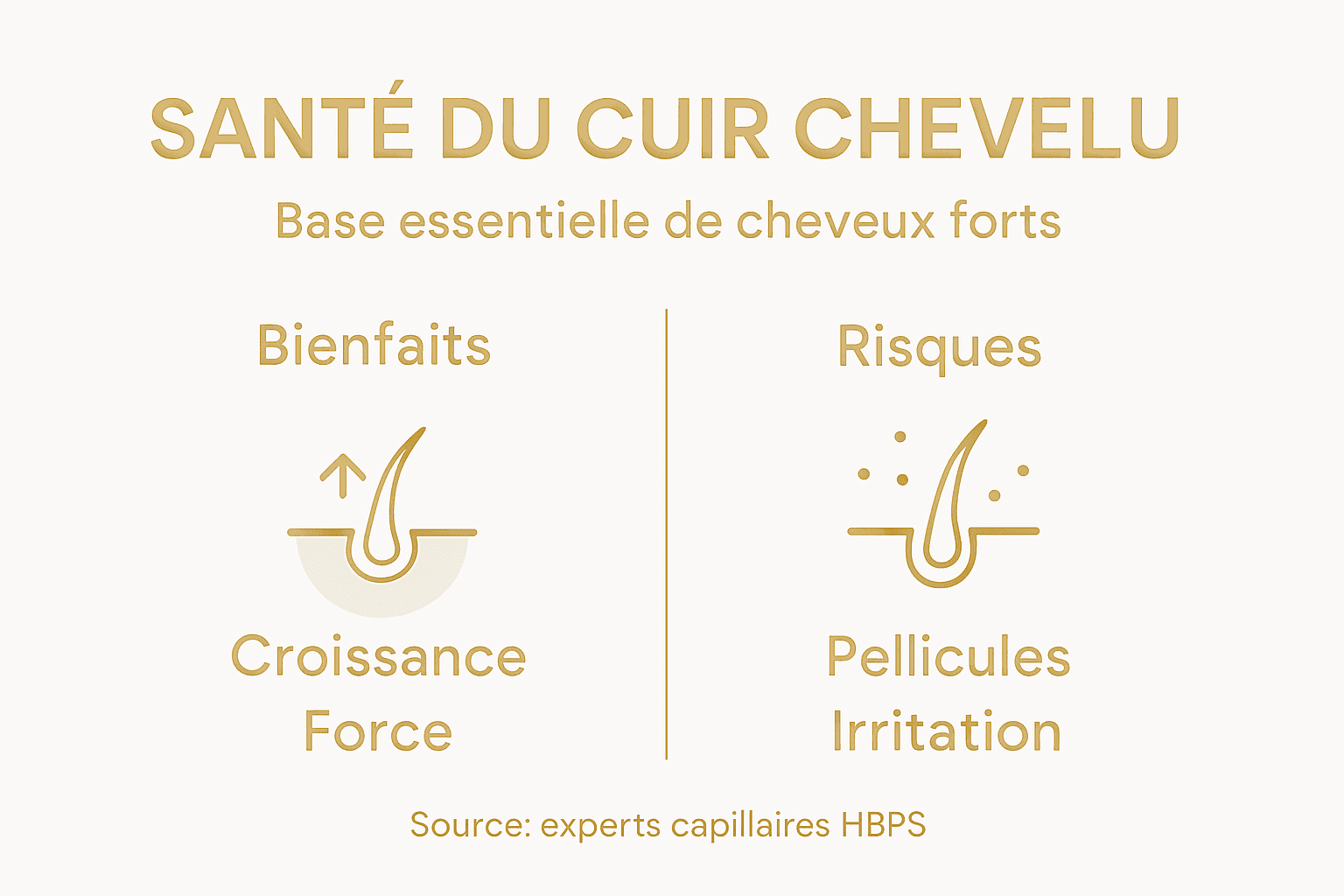
Pro tip: Invest in specific care products suited to your scalp type to maintain its natural balance and prevent hair problems.
Main types of scalp disorders
Scalp disorders represent a wide spectrum of conditions that can significantly impact the health and appearance of your hair. These conditions vary in intensity, symptoms, and origin, requiring specific and tailored treatment approaches.
Among the most common disorders are:
- Seborrheic dermatitis: inflammation characterized by greasy scales and redness
- Scalp psoriasis: thick, scaly plaques that cause itching
- Dandruff: excessive and visible flaking
- Folliculitis: inflammation of the hair follicles
- Alopecia: hair loss in circular patches
Fungal infections also constitute an important category of hair disorders. These conditions can cause itching, redness, and flaking that disrupt the natural balance of the scalp.
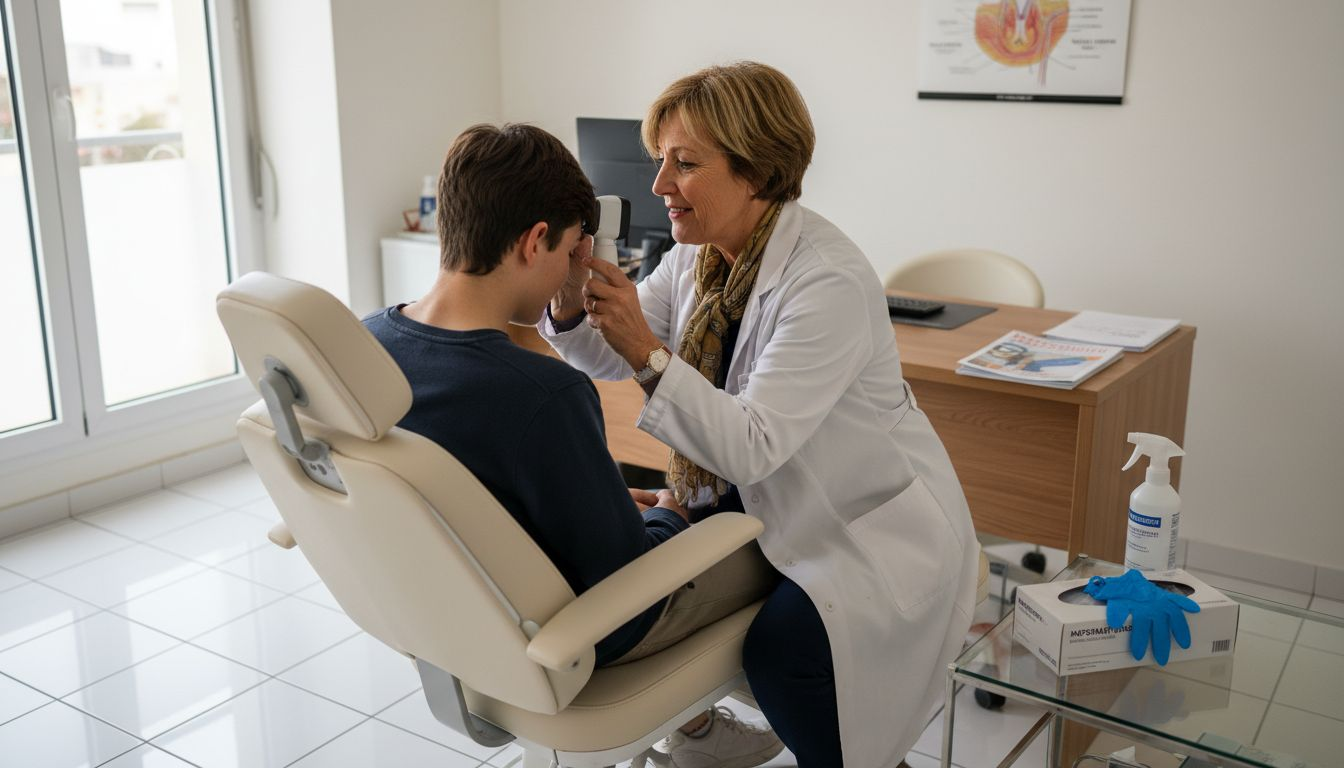
Some disorders are genetic, while others are linked to environmental or hormonal factors. An accurate diagnosis by a dermatologist allows for the determination of the appropriate treatment and the prevention of potential complications.
Pro tip: Consult a professional at the first symptoms for a quick and effective diagnosis and management.
Here is a comparison table of the main scalp disorders to better distinguish their causes and impacts:
| Scalp disorder | Main origin | Major symptoms | Potential impact on hair |
|---|---|---|---|
| Seborrheic dermatitis | Sebum imbalance, stress | Greasy scales, redness | Temporary hair loss, aesthetic discomfort |
| Scalp psoriasis | Autoimmune, genetic | Thick plaques, itching | Localized thickening, fragility |
| Dandruff | Microbiome, irritation | Visible flaking, itching | Weakening, loss of shine |
| Folliculitis | Bacterial or fungal | Inflammation, pimples | Loss in patches, possible scarring |
| Alopecia | Autoimmune | Circular hairless patches | Rapid hair loss, unpredictable regrowth |
How a healthy scalp promotes hair growth
A scalp in perfect health represents the essential foundation of strong, shiny, and actively growing hair. It is a complex ecosystem that requires a delicate balance between different physiological and environmental factors.
The main elements that contribute to scalp health include:
- Optimal blood circulation
- Balance of the skin microbiome
- Appropriate production of sebum
- Constant hydration
- Absence of chronic inflammation
The follicular environment plays a crucial role in the quality of hair growth. A healthy scalp guarantees:
- Better oxygenation of the roots
- Optimal nutrition of the follicles
- Regular hair growth
- Increased hair resistance
Scalp health also depends on internal factors such as diet, stress, and hormonal balance. A holistic approach is therefore essential to maintain an environment conducive to healthy, vibrant hair.
Pro tip: Adopt a daily care routine that respects the natural ecosystem of your scalp, prioritizing gentle products suited to your skin type.
Effective methods for scalp care
Taking care of your scalp requires a comprehensive and attentive approach. It is not simply a matter of hygiene, but a true art that requires understanding and gentleness.
Essential care techniques include:
- Choosing shampoos suited to your skin type
- Gentle and regular cleansing
- Scalp massage to stimulate circulation
- Protection against external aggressors
- Targeted hydration
Gentle cleansing techniques are crucial for maintaining the natural balance. Prioritize precise actions:
- Avoid water that is too hot
- Massage gently without rubbing
- Rinse thoroughly
- Use products without harsh chemical agents
Diet, stress, and hydration also play a fundamental role in scalp health. A holistic approach that combines external care and internal well-being will help achieve lasting results.
Pro tip: Adapt your care routine to your scalp type, carefully observing its reactions and adjusting your practices accordingly.
Here is a summary of good care practices and mistakes to avoid for a healthy scalp:
| Good practice | Key benefit | Common mistake to avoid |
|---|---|---|
| Choose a suitable shampoo | Preserves the natural balance | Use harsh products |
| Gently massage the scalp | Stimulates blood circulation | Rub vigorously |
| Rinse thoroughly | Eliminates residue and irritants | Leave shampoo residue |
| Hydrate regularly | Strengthens the skin barrier | Neglect hydration |
Risks associated with lack of care or common mistakes
Lack of scalp care can lead to consequences far more serious than simple temporary discomfort. Hair neglect accumulates gradually, creating a breeding ground for multiple health problems.
The main risks include:
- Chronic dryness of the scalp
- Appearance of persistent dandruff
- Uncomfortable itching
- Inflammation of the hair follicles
- Weakening and hair loss
Common care mistakes can cause significant damage. Here are the practices to absolutely avoid:
- Washing too frequently
- Using harsh shampoos
- Excessive water temperatures
- Energetic scalp friction
- Complete lack of hydration
The impact of this neglect can lead to more serious conditions such as seborrheic dermatitis, psoriasis, or chronic fungal infections. Prevention and consistency are the keys to a perfectly healthy scalp.
Pro tip: Consult a dermatologist at the first signs of imbalance to prevent hair problems from worsening.
Take Care of Your Scalp for Strong, Shiny, Healthy Hair
The scalp is the essential foundation for the growth and vitality of your hair. Faced with frequent disorders such as dryness, itching, or inflammation of the hair follicles, it is essential to adopt appropriate care that will nourish, protect, and balance this delicate ecosystem. By relying on quality products and targeted routines, you can transform your scalp into a true shield against external aggressors and promote regular, lasting hair growth.
Discover on HBPS-Beauty.com a carefully selected range of professional hair care products and home care devices designed to respect the natural balance of your scalp. By adopting a comprehensive and personalized approach, you avoid common mistakes such as washing too frequently or using harsh shampoos that worsen problems. Do not wait for discomfort to set in before taking action. Choose a healthy scalp today and enjoy strong, shiny, vibrant hair.
To learn more about the importance of a healthy scalp, also check out this essential article: Why scalp care matters: the impact on hair health, and let yourself be guided toward a custom routine tailored to your specific needs.
Frequently Asked Questions
What are the main types of scalp disorders?
Scalp disorders include seborrheic dermatitis, psoriasis, dandruff, folliculitis, and alopecia. These conditions can affect the health and appearance of hair.
How does a healthy scalp promote hair growth?
A healthy scalp ensures better blood circulation, a balanced skin microbiome, and constant hydration, which promotes regular hair growth and stronger hair.
What are the best practices for scalp care?
It is recommended to choose suitable shampoos, gently massage the scalp, thoroughly rinse products, and hydrate regularly.
What are the risks associated with a lack of scalp care?
Lack of care can lead to chronic dryness, persistent dandruff, inflammation of the hair follicles, and weakened hair, which can result in more serious problems such as fungal infections or dermatitis.
Recommendation
- Comparison: Professional vs. Classic Hair Dryers – Beauty-Privée
- Kerastase Specific Bain Vital Dermo-Calm Hydrating and Soothing Shampoo – Beauty-Privée
- Kerastase Specific Rich Dermo-Calm Bath 250ml – Beauty-Privée
- Kerastase Symbiose Pure Anti-Dandruff Bath 1000 ml – Beauty-Privée
- Understanding How to Improve Scalp Health Effectively | MyHair