

Hair loss treatment 2026: 70% see active regrowth
Hair loss affects millions of Europeans every year, but clinical data show that 60 to 70% of minoxidil users notice visible improvement after 4 to 6 months. Hair loss treatment refers to any targeted intervention to slow or reverse hair loss by addressing biological and environmental causes. Understanding these mechanisms and choosing the right approach can transform your hair health for the long term.
Table of Contents
- Introduction to Hair Loss Treatment
- Types of Hair Loss and Their Biological Causes
- Mechanisms of Action of Hair Loss Treatments
- Comparison of Effective Ingredients and Technologies
- Treatment Duration and Expected Results
- Common Misconceptions About Hair Loss Treatments
- Practical Tips to Maximize Treatment Effectiveness
- Conclusion and Personalized Selection Guide
- Discover Our Tailored Hair Solutions for 2026
- FAQ - Frequently Asked Questions About Hair Loss Treatment
Key Takeaways
| Point | Details |
|---|---|
| Definition | Hair loss treatment targets biological causes to slow loss and stimulate hair regrowth. |
| Proven Active Ingredients | Minoxidil and finasteride show the highest clinical efficacy rates according to studies. |
| Patience Required | Results generally appear after 4 to 6 months of regular and consistent application. |
| Essential Diagnosis | An accurate medical examination increases the chances of success of the chosen treatment by 50%. |
| Common Misconceptions | Shampoos alone do not stop baldness, and overdosing never improves effectiveness. |
Introduction to Hair Loss Treatment
Hair loss treatment includes all interventions that target the biological and environmental causes of hair loss. These approaches combine medicinal active ingredients, stimulating technologies, and tailored care habits to protect hair follicles. Hair loss affects a large portion of the population in Europe, impacting psychological well-being.
Every year, millions of French-speaking men and women seek solutions to slow or reverse this phenomenon. The progressive miniaturization of follicles reduces the diameter of hair shafts until they fall out completely. This development affects self-esteem, generates social stress, and harms daily quality of life.
Hair care for healthy hair represents a first line of defense, but advanced cases require specific active ingredients. The psychological consequences of hair loss include:
- Marked drop in self-confidence during social and professional interactions
- Increased stress and avoidance behaviors related to appearance
- Negative impact on the perception of personal attractiveness and general well-being
- Progressive isolation in severe untreated cases
Modern science now offers concrete answers thanks to dermatological research and technological innovation. Understanding the exact nature of your hair loss is the first step toward a lasting and effective solution.
Types of Hair Loss and Their Biological Causes
Several forms of alopecia exist, each requiring a distinct approach. Androgenetic alopecia accounts for 95% of male cases and also affects many women starting in their thirties. This type results from a genetic sensitivity to dihydrotestosterone (DHT), a hormone derived from testosterone.
DHT binds to the receptors of the hair follicles and triggers their progressive miniaturization. Hair becomes thin, short, and eventually stops growing. Diffuse alopecia occurs during major physical or emotional shocks: childbirth, major surgery, serious illness, or severe nutritional deficiency.
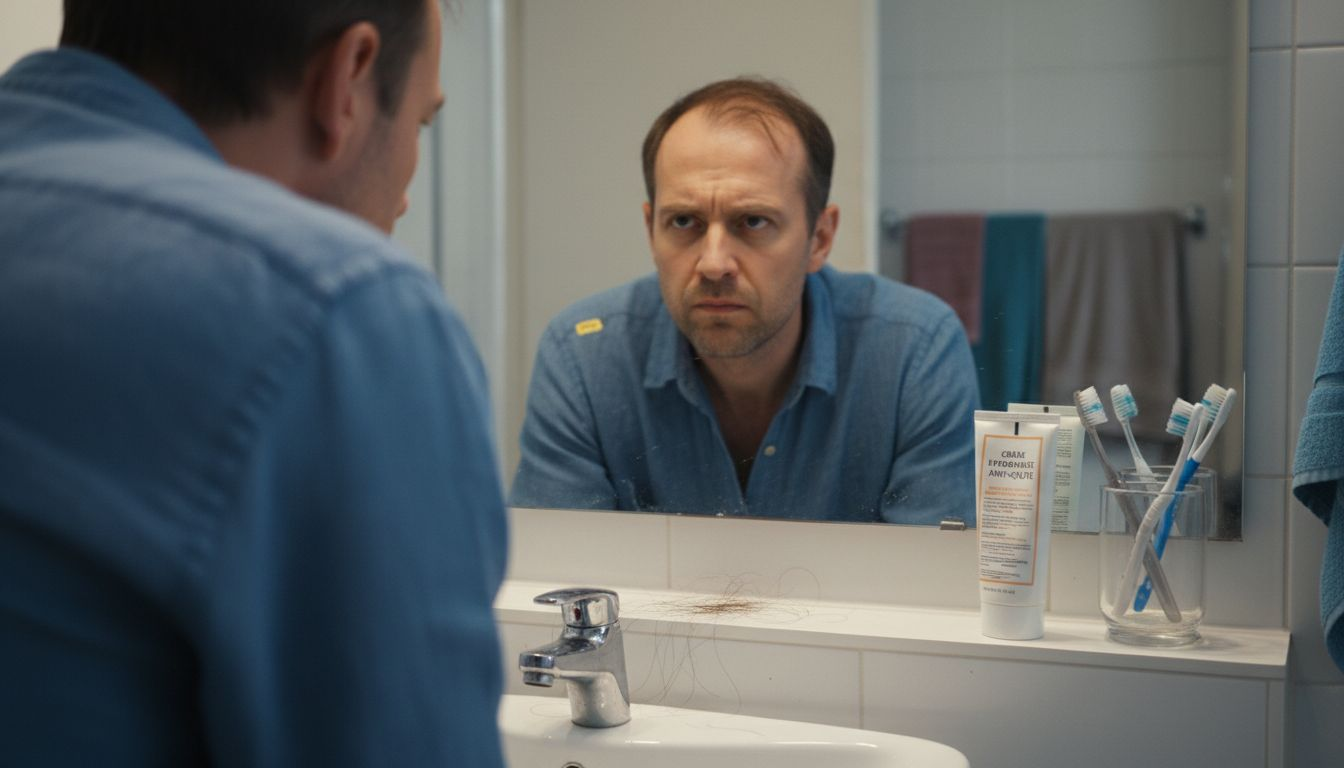
An accurate diagnosis increases the success rates of hair loss treatments by 50%. Trichoscopic examination or a dermatological consultation identifies the exact cause before any intervention.
Treating the scalp prevents certain reversible forms related to local inflammation. Factors influencing hair loss include:
- Genetic predisposition transmitted through the paternal and maternal lineages
- Hormonal imbalances related to the thyroid, polycystic ovary syndrome, or menopause
- Chronic stress raising cortisol and disrupting the follicular cycle
- Deficiencies in iron, zinc, biotin, or proteins essential for keratin synthesis
- Drug treatments such as chemotherapy, anticoagulants, or certain antidepressants
Only a professional can effectively distinguish these different forms. Self-diagnosis often leads to unsuitable choices and costly failures. Types of hair loss and scalp conditions require a clinical evaluation to guide treatment. The importance of hair accessories also applies to protecting weakened hair during treatment.
Mechanisms of Action of Hair Loss Treatments
Medical treatments act through distinct biological pathways to slow or reverse follicular miniaturization. Minoxidil extends the growth phase of follicles by 20 to 30%. This vasodilator molecule increases blood flow to the hair roots, optimizing oxygenation and available nutrients.
Minoxidil also stimulates local growth factors and reactivates dormant follicles. Its topical application is suitable for both men and women without systemic hormonal risk. Finasteride reduces DHT by about 60%, limiting follicular miniaturization.
This 5-alpha-reductase inhibitor blocks the conversion of testosterone into DHT at the follicular level. Reserved for adult men, it protects existing hair and promotes partial regrowth. Low-level laser therapy (LLLT) stimulates the mitochondrial activity of follicular cells.
This photobiomodulation technology improves local circulation and reduces scalp inflammation. Treating the scalp creates an optimal environment to maximize the effectiveness of these active ingredients. The main characteristics of the recommended treatments:
- Minoxidil: topical vasodilator, results after 4 months, suitable for both sexes
- Finasteride: oral hormonal inhibitor, highly effective in men, medical prescription required
- LLLT Laser: non-invasive device, progressive improvement, possible home use
- Nutritional supplements: support in B vitamins, iron, zinc to optimize hair metabolism
- Cosmetic serums: biomimetic peptides and plant extracts to nourish the follicle
Pro tip: Always combine an active treatment with rigorous scalp hygiene to prevent the accumulation of sebum and residues that clog the follicles. A gentle cleaning every two days is enough without stressing the weakened roots.
Comparison of Effective Ingredients and Technologies
Each therapeutic approach has specific advantages depending on your profile and expectations. The following table summarizes the main options:
| Treatment | Effectiveness | Advantages | Limitations | Monthly Cost |
|---|---|---|---|---|
| Minoxidil 5% | 60-70% visible improvement | Easy application, no prescription, suitable for both sexes | Continuous use required, local irritation possible | €20-40 |
| Finasteride 1 mg | 80% stabilization or regrowth | Very effective in men, simple oral intake | Prescription required, rare sexual side effects | €15-30 |
| LLLT Laser | 19-35% increase in density | Non-invasive, no side effects, home use | High initial cost, patience required | Amortized over 2 years |
| Peptide Cosmetics | Modest to moderate results | Easy access, maximum safety, complements other treatments | Lower effectiveness than medications, limited evidence | €30-60 |
| Hair Transplant | Permanent result in 12 months | Definitive, natural solution, dense recipient areas | Surgical intervention, high cost, possible scarring | €3000-8000 (one time) |
Laser devices stimulate hair growth by 19 to 35% in 16 to 26 weeks. This technology is suitable for people seeking a non-medicinal approach. Cosmetics offer complementary support but do not replace clinically proven active ingredients.
Selection criteria include:
- Severity of hair loss: early stages respond better to topical treatments
- Available budget: affordable medicinal solutions versus technological investment
- Tolerance to side effects: skin sensitivity or hormonal concerns
- Long-term commitment: all treatments require regularity and perseverance
Choosing suitable beauty products according to your hair type optimizes results. Combining several approaches under medical supervision often increases overall effectiveness.
Treatment Duration and Expected Results
Patience is a key success factor in any anti-hair loss protocol. Minoxidil offers visible improvement in 60 to 70% of users after 4 to 6 months. The natural hair growth cycle imposes this non-negotiable delay before new hair emerges.
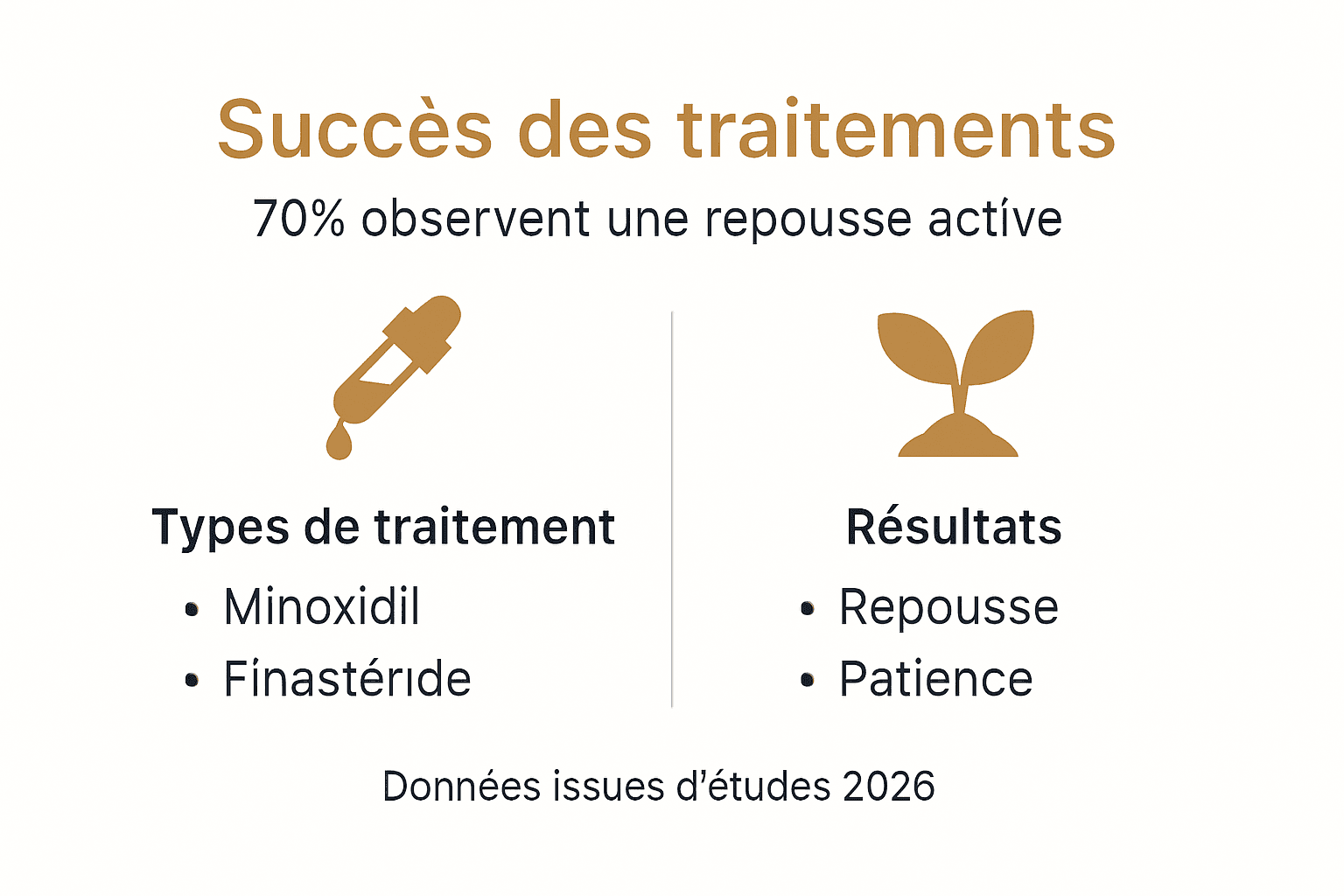
The first positive signs include a reduction in daily hair loss in the shower or on the pillow. Finasteride is effective in 80% of men, with 1 to 2% of reported sexual side effects. This molecule stabilizes hair loss from the first three months, but regrowth takes six to twelve months.
The following table compares success rates and adverse effects:
| Treatment | Success Rate | Average Delay | Common Side Effects | Effect Frequency |
|---|---|---|---|---|
| Minoxidil 5% | 60-70% | 4-6 months | Scalp irritation, dryness | 10-15% |
| Finasteride 1 mg | 80% | 6-12 months | Decreased libido, erectile dysfunction | 1-2% |
| LLLT Laser | 50-65% | 16-26 weeks | None reported | 0% |
| Supplements | 30-40% | 3-6 months | Mild digestive issues | 5-8% |
Prematurely stopping the treatment cancels all progress made. Follicles become sensitive to DHT again or lose their vascular stimulation. Some users give up after eight weeks due to a lack of immediate results.
Pro tip: Photograph your scalp under the same lighting every month to objectively document the progression. Our eyes do not perceive gradual changes well, but photos clearly reveal improvements over twelve weeks.
Hair care tips complement your routine to maximize the overall health of your hair during treatment. Keep your expectations realistic: no treatment restores youthful density, but all significantly slow down progression.
Common Misconceptions About Hair Loss Treatments
Many beliefs distort expectations and lead to unsuitable decisions. Anti-hair loss shampoos sold in supermarkets cannot permanently stop androgenetic baldness. These products clean and temporarily strengthen existing hair shafts without acting on hormonal or genetic causes.
Their role is limited to creating a healthy environment for the scalp. Doubling the dose of minoxidil or finasteride never accelerates results. This dangerous practice increases the risk of side effects without additional benefit.
Follicles respond to an optimal concentration defined by clinical trials. Exceeding this dose saturates the receptors without improving absorption. Patience remains the only viable strategy, as the hair cycle imposes its biological rhythm.
Some believe that a natural treatment avoids all risks. However, concentrated plant extracts cause allergies and irritation in sensitive skin. Natural origin guarantees neither effectiveness nor absolute safety.
The main mistakes to avoid:
- Neglecting a medical diagnosis in favor of unsuitable generic solutions
- Stopping treatment at the first signs of improvement, causing a rapid relapse
- Mixing several active ingredients without supervision, risking harmful interactions
- Ignoring aggravating factors such as smoking, excessive alcohol, or chronic stress
- Relying solely on online testimonials without rigorous scientific validation
Each type of alopecia responds differently to available treatments. Scarring alopecia never regresses with minoxidil because the follicles are destroyed. Postpartum diffuse alopecia often resolves spontaneously without heavy medicinal intervention. Only a professional identifies these crucial nuances for your personal case.
Practical Tips to Maximize Treatment Effectiveness
Applying your protocol correctly largely determines its final success. Here are the key steps to optimize your results:
- Scrupulously follow the prescribed dosage and frequency without ever skipping an application or arbitrarily changing the doses.
- Identify your precise type of alopecia via a dermatological consultation or trichoscopic examination before investing in an expensive treatment.
- Only purchase certified products from licensed pharmacies or official retailers to avoid dangerous counterfeits.
- Maintain gentle scalp hygiene with pH-neutral shampoos, avoiding daily washing that dries it out.
- Consult a specialist immediately if you notice severe irritation, persistent itching, or unusual swelling.
Strict monitoring increases the chances of success by up to 40%. This discipline transforms a moderately effective treatment into a truly high-performance solution. Record your observations in a hair journal: estimated daily hair loss, areas of visible regrowth, and any side effects.
This data helps your doctor adjust the protocol if necessary. 7 hair care tips strengthen the overall health of your hair during treatment. Avoid tight hairstyles, excessive heat, and harsh dyes that further weaken the hair shafts.
Pro tip: Incorporate your treatment into a fixed morning or evening routine so you never forget to apply it. Mentally associate it with a daily habit like brushing your teeth. According to adherence studies, this behavioral trick reduces missed doses by 70%.
Choosing beauty products tailored to your hair profile effectively completes your anti-hair loss strategy. Combine medical actives with suitable cosmetic care for optimal, long-lasting results.
Conclusion and personalized selection guide
The success of an anti-hair loss treatment depends on three inseparable pillars: an accurate diagnosis, the right choice, and strict monitoring. No universal solution exists, as each type of alopecia has its own specific mechanisms. Minoxidil is suitable for mild to moderate cases in both men and women.
Finasteride targets men with advanced androgenetic alopecia. Laser technologies offer a non-medication alternative for those resistant to oral treatments. Hair transplants permanently resolve extensive baldness when the donor follicles remain healthy.
Essential selection criteria include:
- Clinically proven effectiveness in randomized double-blind studies
- An acceptable safety profile based on your age, sex, and overall health
- Suitability for your precise type of alopecia as identified by a professional
- A realistic budget that accounts for long-term treatment rather than a one-time purchase
- A personal commitment to maintaining consistency for at least six to twelve months
Never disregard professional medical advice before starting any protocol. Self-treatment often leads to costly failures and delays in receiving proper care. Patience remains your best ally, as biological cycles dictate their own natural pace.
Choosing pharmaceutical-grade beauty products guarantees the effectiveness and safety of your investment. Invest wisely in your hair health by combining science, patience, and discipline for visible, long-lasting results in 2026.
Discover our tailored hair solutions for 2026
Are you looking for effective, certified anti-hair loss products to support your treatment? HBPS-Beauty.com offers a carefully curated selection of professional hair care products tailored to every profile. Our range includes treatment shampoos, concentrated serums, and nutritional supplements formulated by leading laboratories.
Choosing beauty products for a tailored routine helps you build a consistent, effective protocol. Our detailed guide on comparing beauty brands makes purchasing decisions easier by analyzing ingredients, effectiveness, and value for money. For example, discover our Kerastase anti-hair loss shampoo, formulated to strengthen weakened fibers while preparing the scalp to receive active treatments. Enjoy competitive prices on major brands and fast delivery throughout Europe so you never have to interrupt your hair care routine.
FAQ - Frequently asked questions about anti-hair loss treatment
What are the main causes of hair loss?
The leading cause remains androgenetic alopecia linked to follicular sensitivity to DHT, affecting 50% of men before age 50. Other factors include chronic stress, severe nutritional deficiencies, thyroid imbalances, and medication side effects. An accurate medical diagnosis identifies your specific situation to guide the appropriate treatment.
How long does it take to see the effects of a treatment?
The first results generally appear after 4 to 6 months of regular use of minoxidil or finasteride. The natural hair growth cycle makes this unavoidable delay necessary before new hair becomes visible. Continue the treatment for at least 12 months to assess its true, long-lasting effectiveness.
Can minoxidil and finasteride be used together?
Yes, this combination is frequently prescribed by dermatologists to maximize effectiveness in men with moderate to severe androgenetic alopecia. The two molecules work through complementary mechanisms without negative interactions. Always consult a doctor before combining several treatments to tailor the dosages to your profile.
What are the risks of anti-hair loss treatments?
Minoxidil sometimes causes local irritation, itching, or scalp dryness in 10% to 15% of users. Finasteride causes sexual side effects in 1% to 2% of men, which are generally reversible after stopping the treatment. According to available clinical studies, laser devices have no documented adverse effects.
How do I choose a treatment suited to my type of hair loss?
Start with a dermatological or trichoscopic examination to precisely identify your form of alopecia and its causes. Androgenetic alopecia responds to minoxidil and finasteride, while diffuse alopecia often requires nutritional supplements. Scarring cases require specialized interventions such as hair transplants to restore permanently affected areas.
Are anti-hair loss shampoos enough to stop baldness?
No, shampoos alone cannot reverse androgenetic alopecia because they do not address the underlying hormonal causes. They temporarily clean and strengthen existing hair shafts without protecting the follicles from miniaturization. Combine them with proven active treatments such as minoxidil to achieve measurable, long-lasting results.